 Chuyên mục
-
 Vietnam’s rustic beauty of the 19th century
VietNamNet Bridge – Vivid images of life in the Hanoi, Hai Phong, Hue, Nha Trang and Saigon of the late 19th century appear in the precious...
-
Moc Chau Son La tea hills
VietNamNet Bridge - Whether in winter or spring, Moc Chau plateau is always covered by the in beautiful green color of the tea hills. ...
-
Traditional music as tourism bait
VietNamNet Bridge – A proposal to use UNESCO-recognised Don ca tai tu music to attract tourists has given rise to conflicting opinions, wit...
-
Hanoi, HCM City in top cities with cheapest hotel prices in the world
VietNamNet Bridge - Hanoi ranked second and HCM City ranked sixth in the top 10 cities with the cheapest hotel room rates on hotels.com. ...
-
Ha Giang’s beauty through the lens of a foreign photographer
VietNamNet Bridge – Photographer Paul Levrier recorded impressive moments during his visit to the northern mountainous province of Ha Giang...
-
The haunting beauty of the Northwest in the rainy season
VietNamNet Bridge – June, when the summer rains cool the northwestern mountains, is the time for a new rice crop in the Northwestern region...
-
British media promote stunning views inside Son Doong cave
British media promote stunning views inside Son Doong cave The UK's Telegraph has published wonderful photos of Son Doong, the world...
-
Sa Pa tourists experience a dose of local life
Sa Pa tourists experience a dose of local life Tourists to Sa Pa town in the northern province of Lao Cai are increasingly experiencing t...
-
Hoi An's full moon festival recommended for tourists
Hoi An in central Viet Nam has been recommended by the world-known travel guide Rough Guides as one of the destinations that offer the most...
-
Tourism sector encourages luxury projects
The tourism sector will restrict the development of small-scale hotels and encourage the development of three- to five-star hotels in an ef...
Home » Vietnam’s rustic beauty of the 19th century
 Vietnam’s rustic beauty of the 19th century
Thanh Van
LIÊN QUAN
BÌNH LUẬN
Vietnam’s rustic beauty of the 19th centuryĐăng lúc 21:29 bởi Unknown
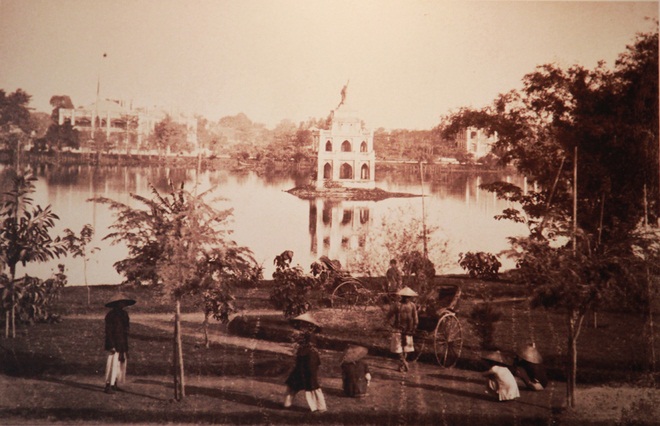
VietNamNet Bridge – Vivid images of life in the Hanoi, Hai Phong, Hue, Nha Trang and Saigon of the late 19th century appear in the precious photos of then Governor General of Indochina, Armand Rousseau.
To celebrate the 40th anniversary of relations between Vietnam and France, the National Library of Vietnam is exhibiting more than 200 photos taken by Rousseau.
In February 1895, Armand Rousseau was appointed Governor General of Indochina. He died suddenly on December 10, 1896, after less than two years in office, leaving behind many priceless pictures of Vietnam from his time there. These pictures are historical treasures that help lend insight into the Vietnam of the late nineteenth century.
 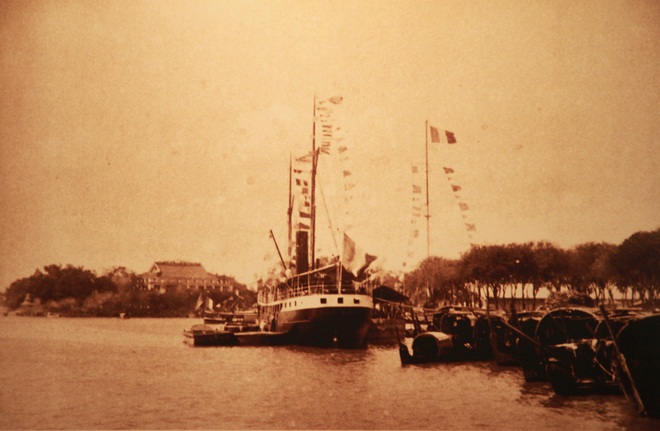
In 1874, Saigon was set up as a city. By the time Rousseau arrived, the city was bustling. This picture was taken on March 16, 1895, the day he arrived in Saigon. The landscape on the Saigon River is the pier of Maritime with the house that was later identified as the Nha Rong Wharf.
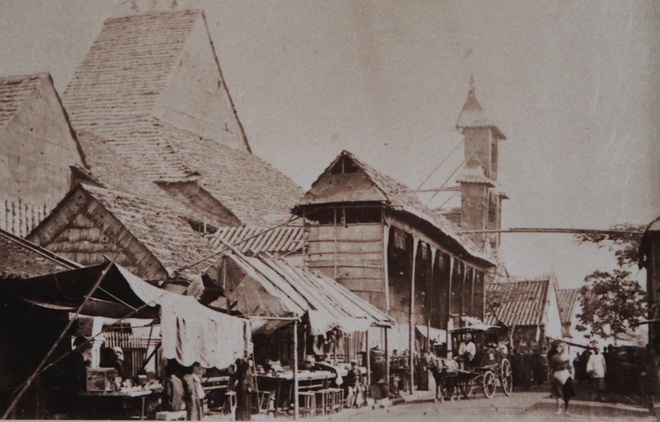
Cho Lon in the late nineteenth century. One can clearly see Chinese with pigtails on the road. However, the architecture is still Vietnamese, indicating that the indigenous imprint at that time was still prevalent and that Chinatown had yet to be formed.
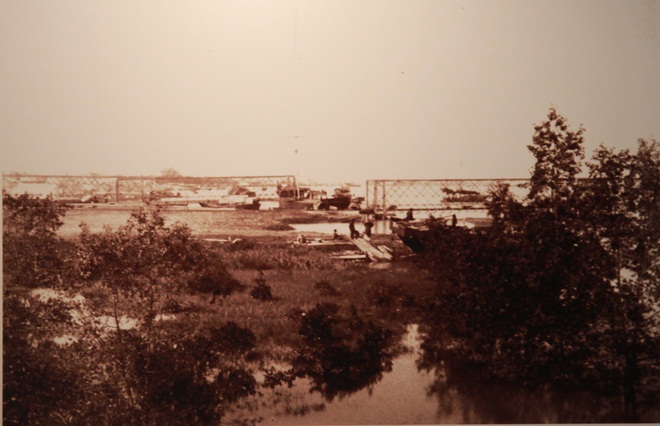
Hai Phong - the first mark of a port city was also captured by Armand. In 1888, Emperor Dong Khanh permitted the French to set up Hanoi, Hai Phong and Da Nang as cities. At the time this photo was shot, Hai Phong City was 8 years old.
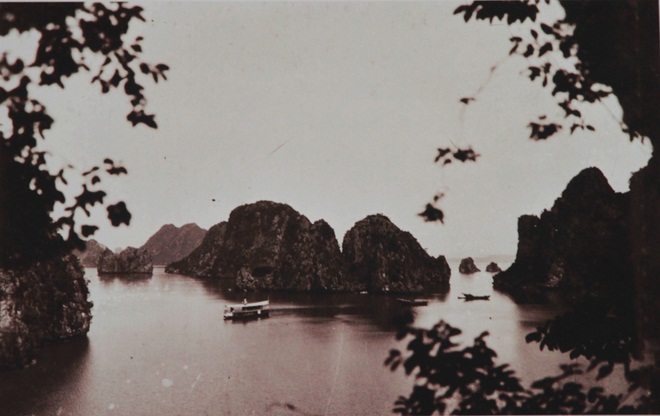
The landscape in Halong at that time, populated with the small sailboats of fishermen, was no different from that of today. The very modern ship that the Governor General used now resides in the maritime museum.
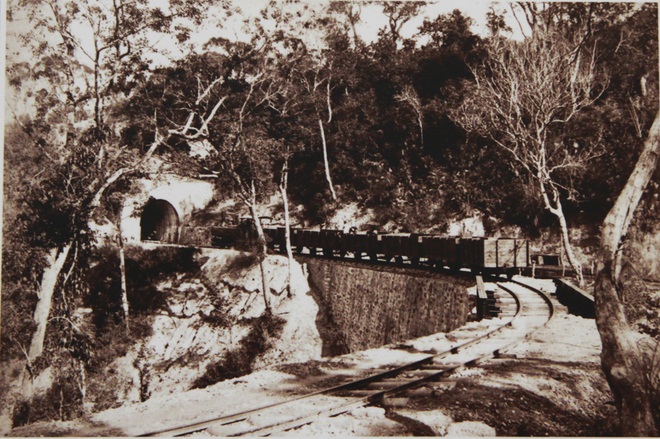
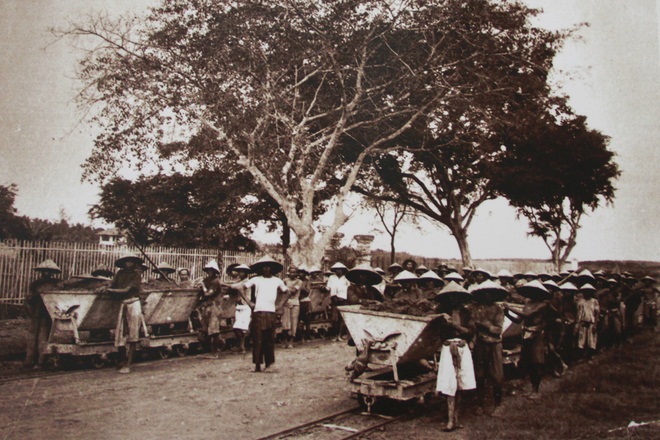
The Ke Bao coal mines in Quang Ninh Province were exploited early by the French. France invested in modern equipment for the industry.
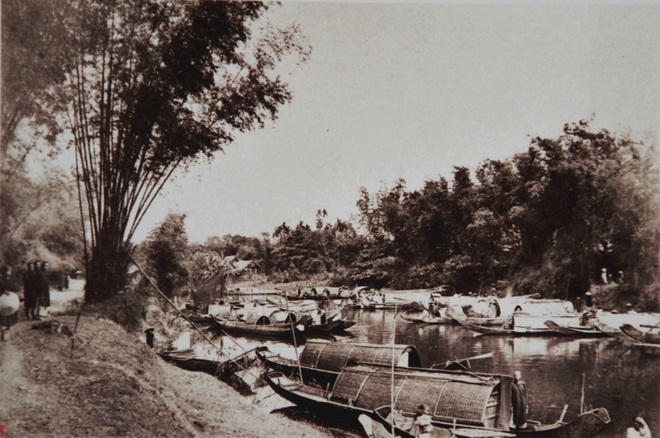 Hue was the capital of the Nguyen Dynasty at that time. In addition to the Citadel, the Governor General also took many photos of the landscapes in Hue in 1895. Hue was the capital of the Nguyen Dynasty at that time. In addition to the Citadel, the Governor General also took many photos of the landscapes in Hue in 1895.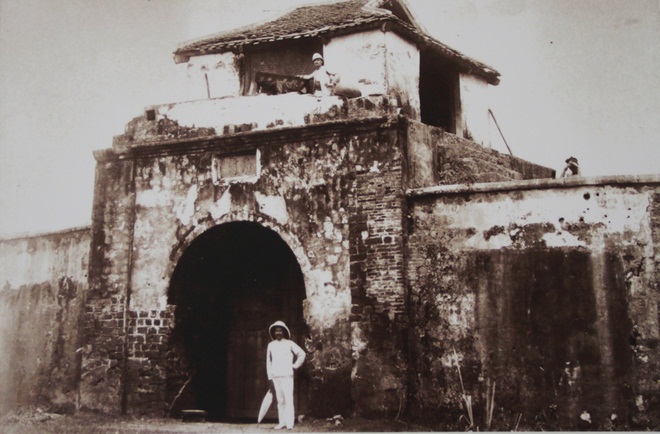 In the early Nguyen Dynasty, Tuyen Quang was a town. This land was often unstable due to the penetration of bandits from China. At the end of the nineteenth century, the French built citadels and fences to obstruct bandits and wild beasts. In the early Nguyen Dynasty, Tuyen Quang was a town. This land was often unstable due to the penetration of bandits from China. At the end of the nineteenth century, the French built citadels and fences to obstruct bandits and wild beasts. In the colonial period, the Nguyen government still had symbolic power in Thanh Nam-Nam Dinh. In the colonial period, the Nguyen government still had symbolic power in Thanh Nam-Nam Dinh.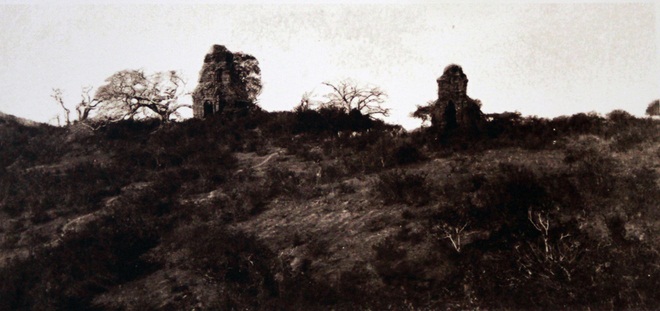 The Cham towers are the architecture of the Cham people, which are distributed from Quang Nam to Binh Thuan. This photo was of the Cham towers in Nha Trang. The Cham towers are the architecture of the Cham people, which are distributed from Quang Nam to Binh Thuan. This photo was of the Cham towers in Nha Trang.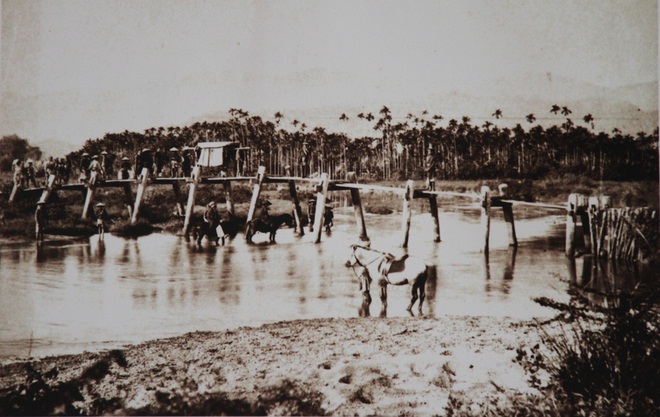 Until the late nineteenth century, the Vietnamese road system consisted mainly of narrow roads. Until the late nineteenth century, the Vietnamese road system consisted mainly of narrow roads.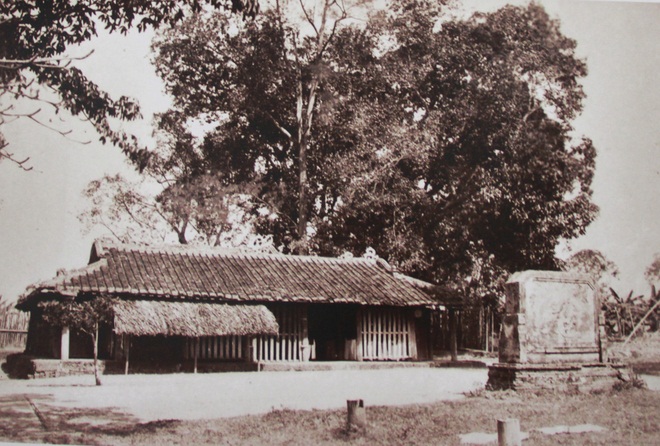
Before French colonial domination, Bien Hoa, then called Tran Bien, was the center of the entire southern region. When Armand Rousseau went to Vietnam, this place remained undeveloped. The photos of the communal house in Tan Uyen or the pagoda in Bien Hoa show the two typical religious beliefs of Vietnamese.
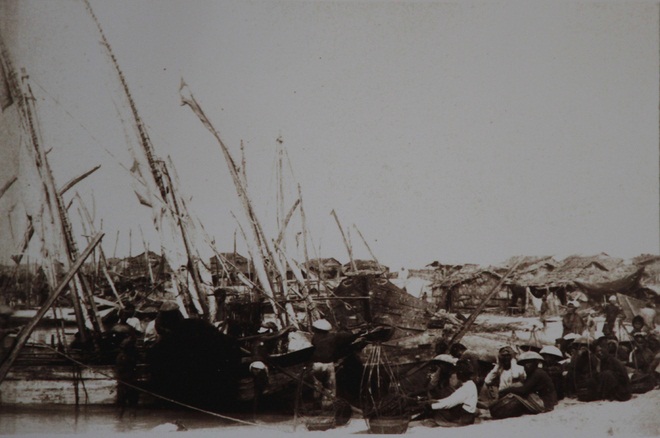
Phan Thiet was established as a town of Binh Thuan Province in 1899, but when Armand Rousseau came to Vietnam, this was a remote fishing area.
 My Tho before 1899 was just a subdivision, not a province. At that time this land was home to migrant Chinese. My Tho before 1899 was just a subdivision, not a province. At that time this land was home to migrant Chinese.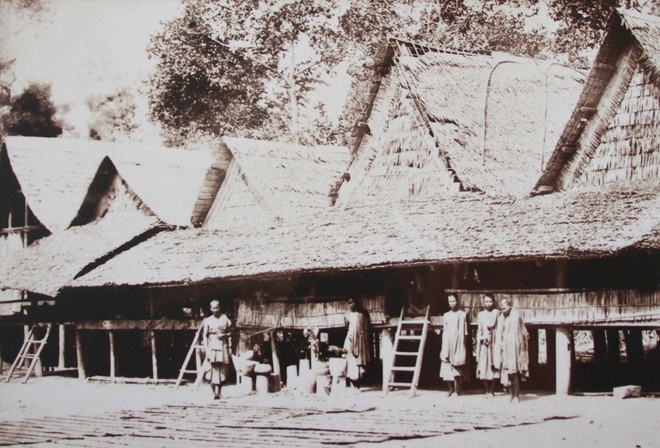 Before 1899, Tra Vinh was not a province but only a sub-region in the province of Vinh Long, with many Khmer people. Before 1899, Tra Vinh was not a province but only a sub-region in the province of Vinh Long, with many Khmer people.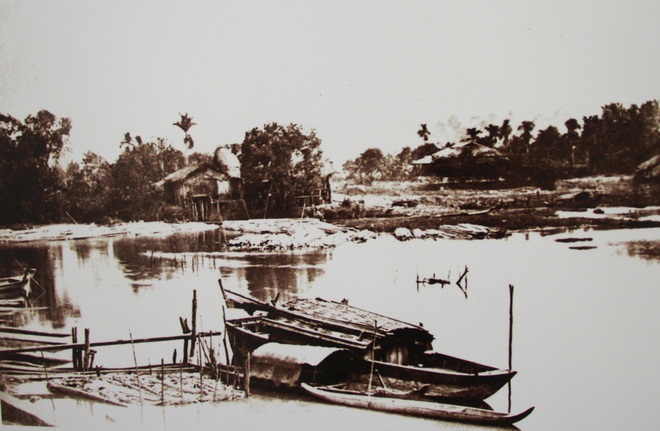
Tay Ninh is not far from Saigon but it is adjacent to Cambodia.
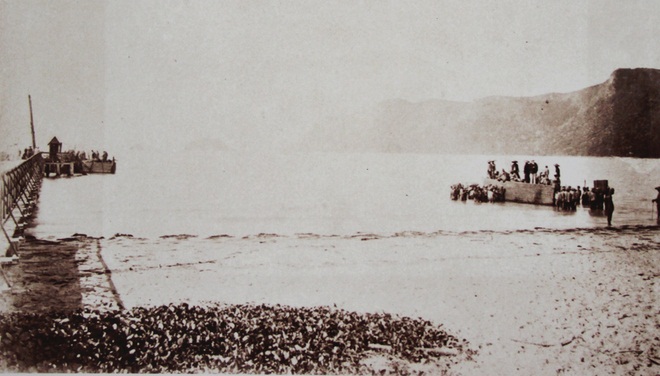
Con Dao was known to France very early. From 1862 it was used as a prison to detain political protesters and criminals.
|
Photo: Armand Rousseau
LIÊN QUAN BÌNH LUẬN


